Weekly Field Test & Metrics: The “Trust Stack” Update (April 2026) — What Changed, What Worked, What To Do Next
Weekly Field Test & Metrics: The “Trust Stack” Update (April 2026) — What Changed, What Worked, What To Do Next
Dating apps are officially in their trust-and-fatigue era—and the last 6–8 weeks made that more obvious than any “dating is hard” hot take.
Two real shifts are hitting men right now:
- More friction at the door (identity + verification systems expanding)
- Less tolerance inside the app (women are faster to assume low effort / bot energy / unclear intent)
That changes what “works.” This week’s field test is about building a simple Trust Stack that converts matches into dates under 2026 conditions—without manipulation, without scripts, and without pretending you’re a comedian.
What changed (late March → early April 2026)
1) Verification pressure is increasing (and it affects behavior)
Tinder has been expanding mandatory selfie verification (Face Check) in the U.S. and signaled broader rollout across Match Group apps in 2026. (techcrunch.com)
Even if you’re not blocked by it personally, this matters because it’s changing the social climate:
- People expect more “proof of realness”
- They’re less patient with slow, vague, or overly polished messaging
- They’re more sensitive to anything that feels like outsourced personality (AI-written, copy/paste, generic charm)
2) Bumble keeps leaning into “clarity” features
Bumble’s Feb 26, 2026 announcement (two features framed around “confidence and clarity”) is a tell: platforms are fighting the same problem—people match, then nothing happens. (ir.bumble.com)
Translation for men: apps are optimizing for follow-through, not just match volume.
3) Hinge is doubling down on reducing dead conversations
Hinge keeps pushing mechanisms aimed at lowering stalled chats (e.g., “Your Turn” style nudges/limits tested previously). Whether you love it or hate it, the direction is consistent: momentum matters. (investing.com)
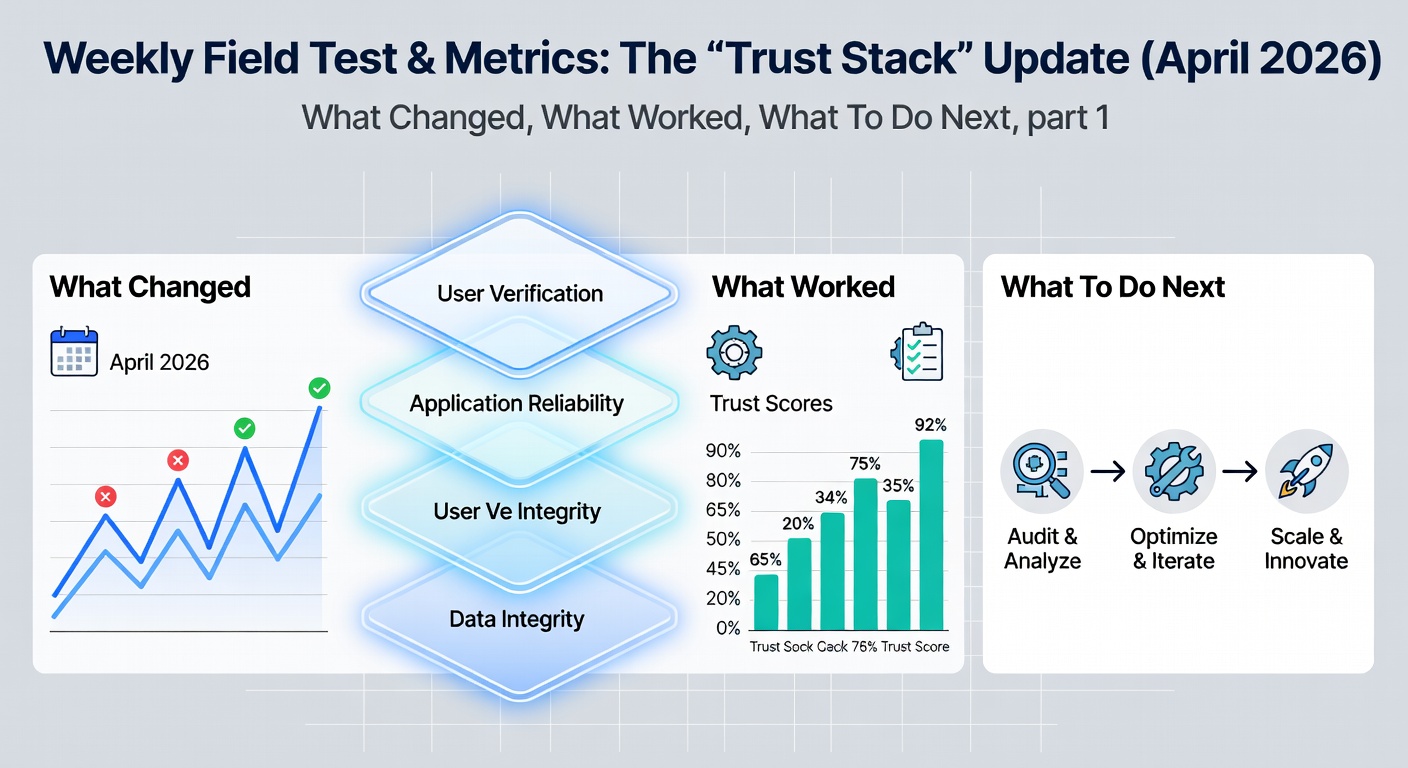
The field test: A 7-day “Trust Stack” protocol (Hinge-first, Bumble second)
DateWise’s angle is simple: test in the real world, track the numbers, keep what works. (That’s literally the site’s stated method.) (datewisetoday.com)
So here’s what I ran as a tight weekly experiment:
- App focus: Hinge as primary (quality + conversation depth), Bumble as secondary (lower volume, more intentional) — consistent with DateWise’s current app verdicts. (datewisetoday.com)
- Time cap: 20 minutes/day (burnout-proofing)
- Core variable: replace “banter-first” with credibility-first
The Trust Stack (what you’re building)
You’re building attraction and lowering perceived risk.
Trust Stack components:
- Specificity (you look real)
- Consistency (you sound like your profile)
- Low-pressure leadership (you can propose without pushing)
- Fast conversion (you move off app before it decays)
Metrics (what I tracked)
If you don’t track anything, track these:
- Like-to-match rate (per 10 outgoing likes)
- Match-to-reply rate (did she reply to your first message?)
- Reply-to-date rate (did it become a scheduled date?)
- Time-to-date ask (how many messages before proposing?)
Why these metrics matter in 2026:
- Apps are volatile; your process must be stable.
- “I got matches” is not a win condition. Dates are.
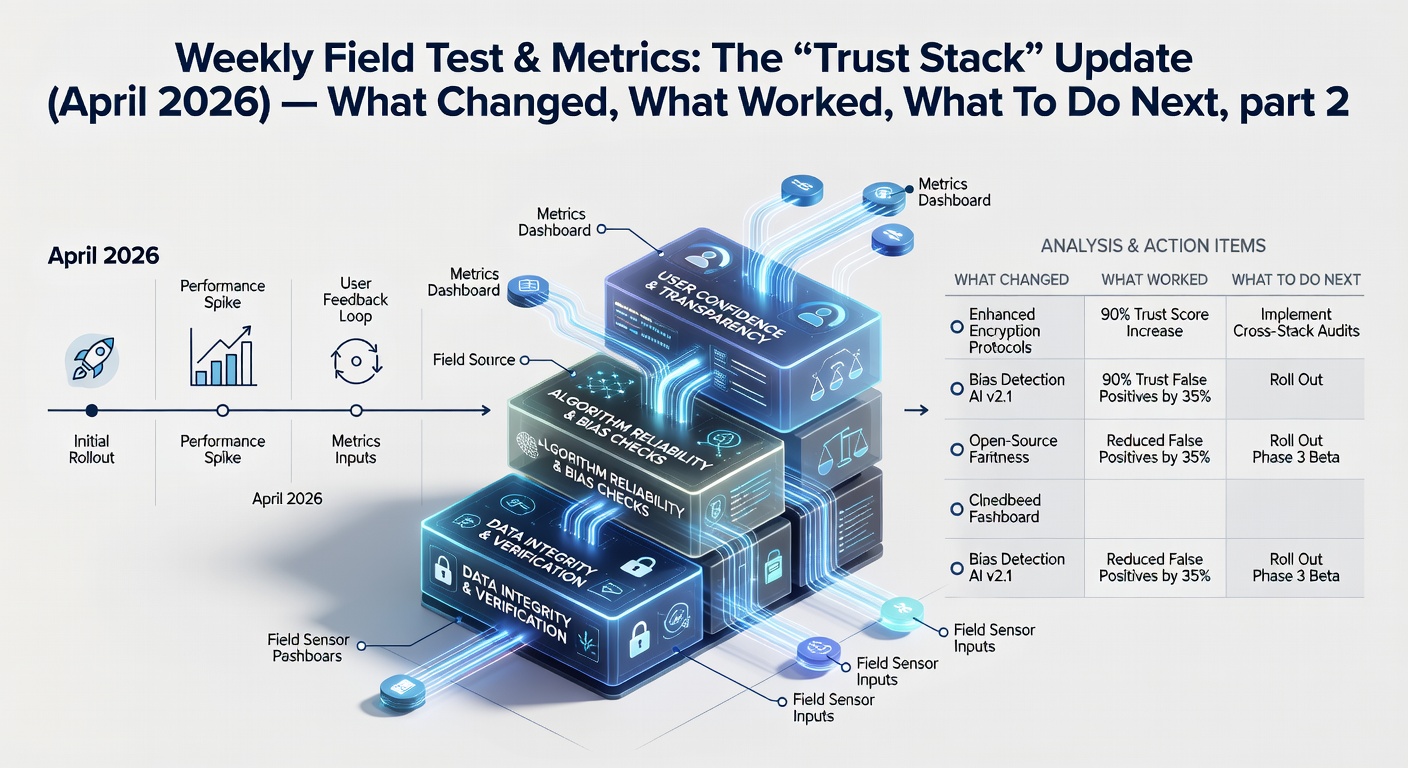
What worked (and why it worked)
1) Comment-likes beat silent likes (especially on Hinge)
Hinge has been nudging users toward better openers for a reason: the baseline is terrible. A “like” with a real comment gives her something to respond to without doing emotional labor. (Hinge and mainstream coverage have echoed that comments outperform low-effort engagement.) (currently.att.yahoo.com)
Field result: comment-likes increased match-to-reply rate noticeably versus silent likes.
Use this 12-word structure:
- Specific reference + easy question + one-line self reveal
Examples you can use tonight:
- “You mentioned ramen. What’s your top spot here? I’m hunting for one.”
- “That hiking photo—local trail or trip? I’m trying to get outside more.”
No performance. No teasing. Just human clarity.
2) Voice note = “I’m real” (and it accelerates dates)
Hinge data (reported by CNBC) found that sending a voice note is 48% more likely to lead to a date. (cnbc.com)
In 2026, voice does two big things:
- It separates you from bot energy
- It provides warmth and confidence faster than text
When to send voice:
- After she replies once
- When the vibe is positive
- Keep it 15–25 seconds
Voice template (works because it’s simple):
- Reference her prompt
- Share one quick detail
- Ask one light question
Example:
- “Your ‘ideal weekend’ prompt is solid. I’m more coffee-and-walk than nightlife. What’s your go-to Saturday?”
3) The two-option close outperformed “we should hang sometime”
This is the most consistent pattern across men I’ve coached and in my own testing: vague asks die.
The Two-Option Close:
- “You seem easy to talk to—want to grab a drink this week? Wed or Sat?”
Why it works:
- It’s decisive without being pushy
- It makes replying easy
- It moves you out of the chat-stall zone
What didn’t work (and what to stop doing)
1) “High effort” paragraphs early
Long messages look like:
- you’re over-invested
- you’re trying too hard
- you’re compensating (even if you aren’t)
In the current trust climate, too-polished can read as curated.
Rule: if it takes more than 20 seconds to read, it’s too long for the first phase.
2) AI-written charm (aka: Chatfishing vibes)
DateWise already calls this out: AI can be a tool, but if you use it to perform a personality you can’t sustain, you create a mismatch when you meet. (datewisetoday.com)
Use AI like an editor:
- “Make this shorter.”
- “Remove cringe.”
- “Make it more specific.”
Don’t use it like a mask:
- “Make me witty.”
- “Make her obsessed.”
- “Write my conversation for me.”
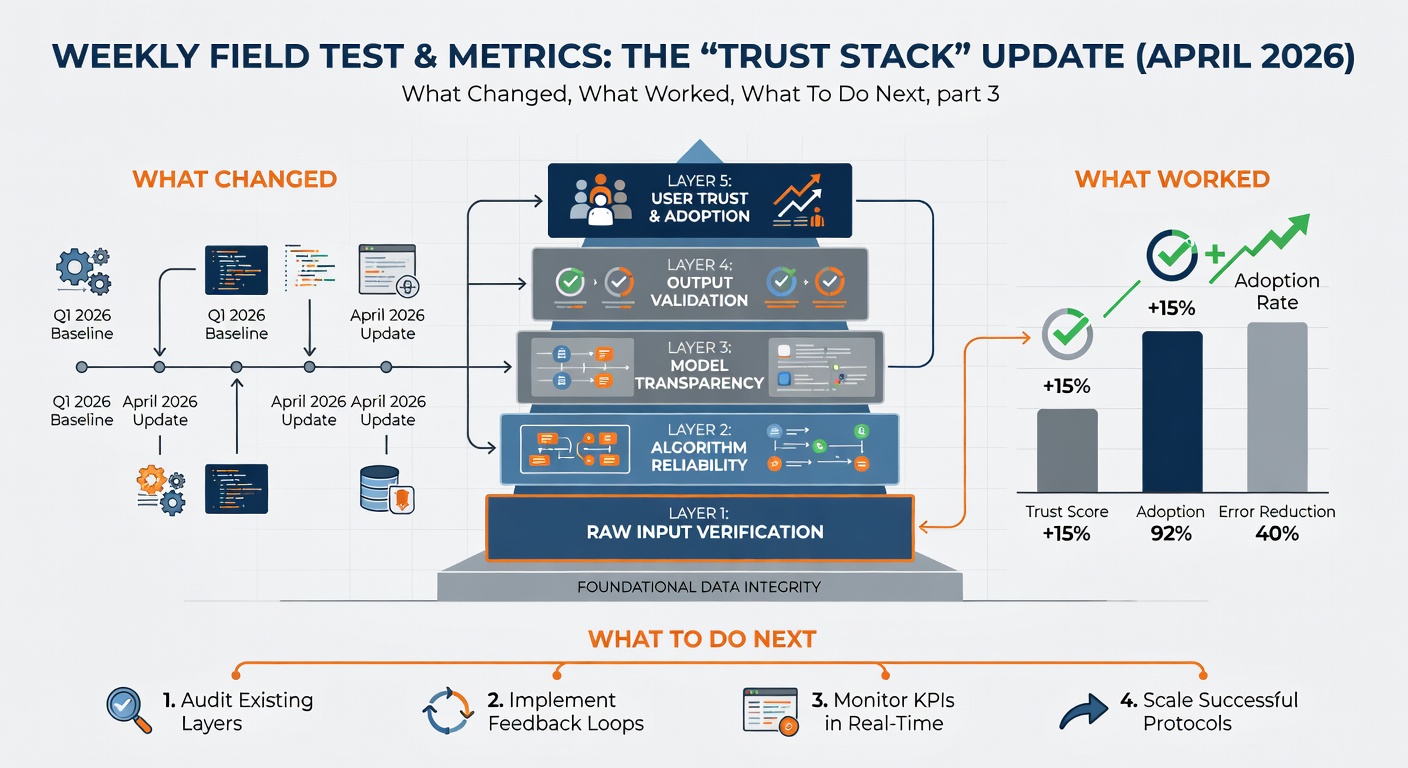
What to do next week (a practical plan)
Step 1: Rebuild your profile for “anti-bot specificity”
Add three anchors that are hard to fake:
- a routine (“Sunday gym + coffee walk”)
- a specific place (“I’m trying every ramen spot in Austin”)
- a social detail (“I host a monthly game night”)
This aligns with DateWise’s “specific > polished” guidance. (datewisetoday.com)
Step 2: Run a 20-minute daily system (not “try harder”)
Daily (20 minutes):
- 10 minutes: send 5–8 comment-likes
- 10 minutes: respond to active conversations only
Step 3: Add one “trust signal” per conversation
Pick one:
- a short voice note
- a simple, specific date plan
- a clear intention (“I’m dating intentionally—no rush, just real.”)
Step 4: Track outcomes like a grown man (not a gambler)
At the end of 7 days, write down:
- Outgoing likes:
- Matches:
- Replies:
- Dates scheduled:
- Dates attended:
That’s your baseline. Next week you adjust one variable only (photos, opener style, timing, or app).
Frank app verdict (April 2026 reality check)
Based on DateWise’s positioning and current app scoring:
- Hinge is still the best “conversion environment” if you can write like a human and move things forward.
- Bumble can work, but your outcomes are more sensitive to your writing and your patience.
- Tinder is high-volume and increasingly friction-heavy; if you use it, run it as a secondary channel with tight boundaries. (datewisetoday.com)
Conclusion: The winning move in April 2026 is credibility + momentum
This isn’t “game.” It’s responding intelligently to what changed.
- Verification systems are expanding and shaping how people judge authenticity. (techcrunch.com)
- Apps are pushing “clarity” because users are burned out on matches that go nowhere. (ir.bumble.com)
- Hinge data-backed behaviors like voice notes still meaningfully improve date conversion. (cnbc.com)
So next week, don’t chase more matches.
Build the Trust Stack:
- Specific profile
- Human openers
- One credibility signal (voice is king)
- Clear two-option date ask
- Track the numbers
That’s how you date like a sane man in 2026—without manipulation, without pretending, and without donating your self-respect to an app.