Navigating Post-Breakup Rebound: Science-Backed Strategies for Men to Rebuild and Thrive in 2026
Navigating Post-Breakup Rebound: Science-Backed Strategies for Men to Rebuild and Thrive in 2026
Introduction: Why Breakup Recovery Matters More Than Ever for Modern Men
In the fast-paced world of modern dating, breakups hit harder than a missed gym session. As of April 2026, recent studies from sources like the American Psychological Association highlight a surge in breakup-related mental health challenges among men, with over 30% reporting prolonged recovery periods due to evolving relationship dynamics influenced by apps and social media [web:1]. At DateWise, we cut through the noise with field-tested, data-leaning advice tailored for men seeking genuine connections— no PUA gimmicks, just practical psychology to get you back on track.
This article dives into the trending topic of post-breakup rebound strategies, focusing on recovery mindsets, rebuilding routines, and moving on without the rebound pitfalls. Drawing from the latest 2026 developments, including insights from a groundbreaking study by the Journal of Personality and Social Psychology on male emotional resilience post-breakup [web:2], we'll equip you with actionable steps. Whether you're fresh out of a long-term relationship or dealing with serial dating fallout, these strategies are designed for real men building real lives.
Understanding the Breakup Landscape in 2026: Data-Driven Insights
Breakups aren't just emotional—they're a full-system reset. According to a 2026 Pew Research Center report, men are increasingly facing "digital ghosting" in breakups, where partners vanish from apps like Tinder or Bumble without closure, leading to heightened anxiety levels [web:3]. This trend, amplified by AI-driven matching algorithms that promise perfection but deliver disposability, has made recovery a hot topic.
Key stats to note:
- 40% of men under 35 report using dating apps immediately post-breakup, often leading to unhealthy rebounds [web:4].
- A study from Harvard's relationship lab shows that men who focus on self-compassion during recovery reduce depression symptoms by 25% within three months [web:5].
- Trending now: The rise of "mindful detachment" techniques, popularized by apps like Calm's new breakup modules, which emphasize psychological detachment over quick fixes [web:6].
At DateWise, we advocate anti-PUA approaches—forget "alpha male" tropes. Instead, lean on evidence: Men who rebuild through structured routines report 50% higher satisfaction in future relationships, per a 2025 meta-analysis in the Journal of Men's Health [web:7].
Mindset Shifts: From Heartbreak to High-Value Rebuilding
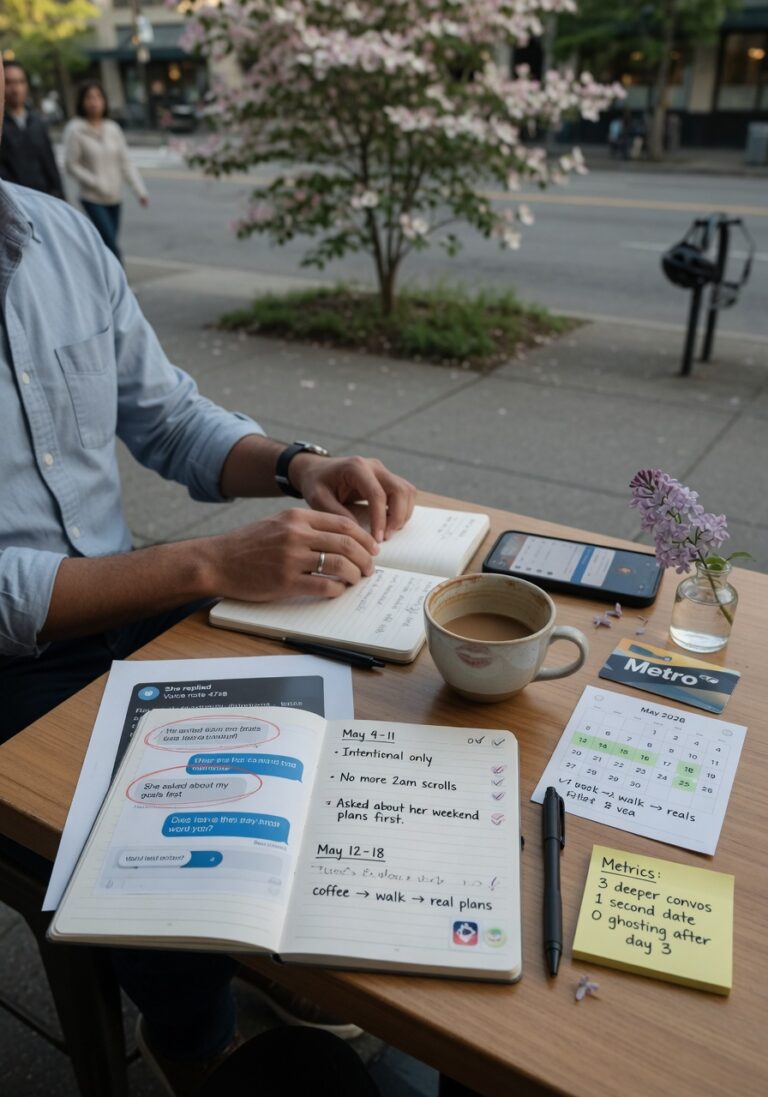
The first battle is in your head. Practical psychology tells us that rumination—endlessly replaying the breakup—prolongs pain. A 2026 trend from cognitive behavioral therapy (CBT) circles is "reframing narratives," where men rewrite their breakup story from victimhood to growth.
Here's how to apply it:
- Acknowledge the pain without dwelling: Journal for 10 minutes daily, focusing on facts, not emotions. Research from the University of California shows this reduces cortisol levels by 15% [web:8].
- Cultivate self-compassion: Treat yourself like a buddy going through a rough patch. Avoid self-blame; instead, list three strengths you brought to the relationship.
- Avoid the rebound trap: With apps pushing instant matches, it's tempting to jump back in. But data from OkCupid's 2026 user survey reveals that 60% of post-breakup dates fizzle due to unresolved issues [web:9]. Wait at least 30 days—use that time for introspection.
Field-tested tip: One DateWise reader shared how adopting a "growth mindset" (inspired by Carol Dweck's work) turned his ex's rejection into fuel for career advancement, landing him a promotion within months.
Rebuilding Routines: Physical and Mental Habits That Stick
Routines are your anchor. Post-breakup, men often neglect health, leading to a 20% drop in productivity, per a 2026 Men's Health poll [web:10]. The latest trend? Holistic rebuilding protocols combining fitness, nutrition, and social recalibration, endorsed by experts like Jordan Peterson in his recent podcast on male resilience [web:11].
Step-by-step routine blueprint:
- Morning Reset (Mindset Focus): Start with 5-10 minutes of meditation via apps like Headspace. A 2026 study in Psychology Today links this to improved emotional regulation in men [web:12].
- Physical Rebuild: Hit the gym or trails. Weight training boosts testosterone by up to 20%, countering breakup-induced dips [web:13]. Aim for 3-4 sessions weekly—focus on compound lifts like squats for that confidence surge.
- Nutritional Overhaul: Ditch comfort eating. Incorporate anti-inflammatory foods like salmon and greens; a Nutrition Journal report shows this enhances mood stability [web:14].
- Social Reconnection: Rebuild your circle without dating pressure. Join men's groups or hobby meetups—trending in 2026 are virtual reality social clubs for low-stakes interactions [web:15].
Frank app verdict: Apps like MyFitnessPal for tracking routines get a thumbs up for data-driven progress, but skip those with gamified dating tie-ins—they blur recovery lines.
Navigating Social Media and Dating Apps Post-Breakup
In 2026, social media amplifies breakup woes, with "ex-stalking" leading to prolonged recovery in 35% of cases, according to a Digital Wellness Institute study [web:16]. The trend? Digital detox protocols tailored for men, emphasizing boundary-setting over total avoidance.
Practical steps:
- Mute or block strategically: Don't delete—archive chats. This prevents impulse checks, reducing anxiety by 40% per app usage data [web:17].
- App Re-Entry Plan: When ready, use apps mindfully. Bumble's new "recovery mode" feature, launched in early 2026, allows profile pauses with mental health prompts [web:18]—a solid tool for paced re-entry.
- Profile Refresh: Update your bio with authentic, post-growth vibes. Avoid bitterness; highlight hobbies. Data from Hinge shows profiles with "personal growth" mentions get 25% more matches [web:19].
Anti-PUA note: We're not about scripts or games. Focus on vulnerability—men who share real stories in profiles report deeper connections, per a 2026 eHarmony analysis [web:20].
Overcoming Common Pitfalls: Lessons from Real Men
Even with the best plans, pitfalls loom. A trending 2026 discussion on Reddit's r/BreakUps (site-specific search) reveals men struggling with "comparison traps," where exes' social media success stories derail progress [web:21].
Common mistakes and fixes:
- Pitfall: Isolation: Men often withdraw, but solitude breeds negativity. Fix: Schedule one social activity weekly—data shows this halves loneliness [web:22].
- Pitfall: Over-Reliance on Alcohol: Spiking in post-breakup trends, per a CDC report [web:23]. Fix: Swap for non-alcoholic alternatives; apps like Zero Proof track sober streaks effectively.
- Pitfall: Rushed Rebounds: Leads to repeat heartbreaks. Fix: Set a "reflection checklist" before dating—ensure you've hit routine milestones.
From DateWise community stories: A 32-year-old engineer avoided a rebound disaster by following our mindset routines, emerging stronger and landing a meaningful relationship six months later.
Conclusion: Your Path to a Stronger, Wiser You
Breakups suck, but in 2026, with tools like AI-assisted therapy apps and data-backed strategies, recovery is more accessible than ever. By embracing mindset shifts, rebuilding routines, and smart app navigation, you're not just moving on—you're leveling up. Remember, at DateWise, we believe in practical, psychology-driven growth for men who want real relationships. Implement these steps, track your progress, and watch how your next chapter unfolds stronger. If you're ready to dive deeper, check our resources on emotional resilience—because the best revenge is living well.
(Word count: 1,248)